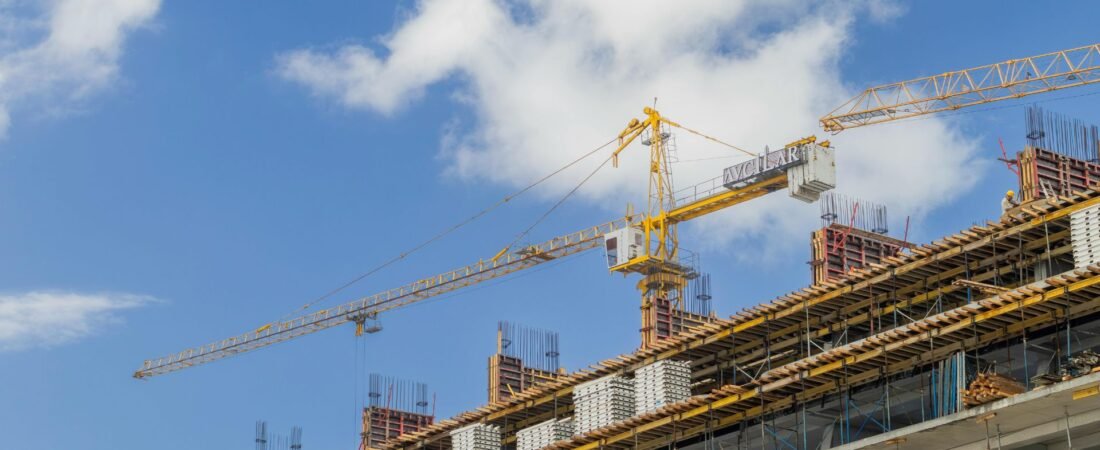
Western Australia is a major center for mining, energy production, industrial operations, and infrastructure development. The state’s economy relies on large-scale projects that support resource extraction, transportation, manufacturing, logistics, and public services. These projects require comprehensive construction solutions that combine technical expertise, project management, safety compliance, and efficient resource allocation.
Construction contractors across Western Australia provide integrated services that support every stage of project development. From early planning and site preparation to construction, commissioning, and maintenance, professional construction teams help deliver reliable infrastructure and operational facilities.
Industrial infrastructure services in Western Australia are an essential part of supporting the state’s resource and infrastructure industries. These services contribute to the development of critical assets that enable economic growth and long-term operational success.
Supporting Western Australia’s Resource Industry
The resource sector remains one of the largest contributors to Western Australia’s economy. Mining operations across the state produce iron ore, lithium, gold, nickel, copper, and other valuable minerals that support domestic and international markets.
Resource industry projects require extensive infrastructure to support exploration, extraction, processing, transportation, and storage activities. Construction services help develop processing facilities, crushing plants, conveyor systems, workshops, fuel storage areas, accommodation facilities, and water management infrastructure.
Many resource projects operate in remote locations where construction teams must manage logistics, workforce accommodation, equipment transportation, and environmental compliance requirements. Careful planning and execution are essential to maintain project schedules and operational objectives.
Industrial infrastructure services in Western Australia support resource companies by delivering the facilities and infrastructure needed to maintain productivity and operational efficiency.
Infrastructure Construction for Long-Term Growth
Infrastructure plays a critical role in supporting economic development throughout Western Australia. Roads, bridges, rail networks, ports, airports, pipelines, utility systems, and water infrastructure provide essential connections between industries, businesses, and communities.
Infrastructure construction projects often involve significant investment and complex engineering requirements. Construction contractors work alongside engineers, government agencies, and project stakeholders to ensure developments meet safety standards, regulatory requirements, and operational goals.
Effective infrastructure development improves transportation efficiency, supports resource exports, and enhances access to essential services. These benefits contribute to long-term regional and statewide growth.
Construction companies use advanced project management systems to coordinate schedules, manage resources, and monitor progress throughout every phase of infrastructure development.
Integrated Construction Services
Comprehensive construction solutions involve more than building structures. They include planning, design coordination, procurement, site preparation, civil works, structural construction, mechanical installation, electrical systems, and maintenance support.
An integrated approach improves communication and coordination throughout the project lifecycle. Clients benefit from streamlined project delivery, improved cost management, and greater visibility into project performance.
Construction contractors deliver services across a wide range of sectors, including mining, industrial processing, logistics, energy, utilities, and public infrastructure. Each project requires specialized expertise and industry knowledge to achieve successful outcomes.
Industrial infrastructure services in Western Australia frequently incorporate integrated construction models that support efficient project execution and long-term asset reliability.
Industrial Facility Construction
Industrial facilities form the backbone of many industries throughout Western Australia. Manufacturing plants, processing facilities, storage terminals, maintenance workshops, and logistics centers require durable infrastructure capable of supporting continuous operations.
Industrial construction projects often involve complex engineering specifications and strict performance requirements. Contractors must ensure that structural, mechanical, and electrical systems work together efficiently while meeting industry regulations.
Construction teams use specialized equipment and skilled personnel to complete industrial developments safely and effectively. These facilities are designed to withstand demanding operating conditions and support future business growth.
Industrial infrastructure services in Western Australia help organizations expand capacity, modernize facilities, and improve operational performance across multiple sectors.
Safety and Regulatory Compliance
Safety is a key component of every construction project. Construction companies implement detailed safety management systems to reduce workplace risks and ensure compliance with Australian regulations.
Safety programs include workforce training, hazard identification, equipment inspections, risk assessments, and emergency response procedures. These measures help protect workers and maintain efficient site operations.
Construction contractors must also comply with environmental regulations, engineering standards, and building codes. Compliance helps ensure projects are completed responsibly and meet all legal requirements.
Strong safety and compliance practices contribute to successful project outcomes and long-term infrastructure performance.
Project Management and Quality Assurance
Effective project management is essential for delivering large-scale construction projects on time and within budget. Construction managers oversee procurement, workforce coordination, scheduling, budgeting, quality control, and stakeholder communication.
Quality assurance systems are implemented throughout the construction process. Inspections, testing procedures, and performance evaluations help ensure completed infrastructure meets engineering specifications and operational requirements.
Project management teams also monitor project risks and develop strategies to address potential challenges before they impact project performance.
These processes support reliable construction outcomes across resource and infrastructure sectors throughout Western Australia.
Sustainable Construction Practices
Sustainability is becoming increasingly important in modern construction projects. Organizations are adopting construction practices that reduce environmental impacts while improving operational efficiency.
Sustainable construction strategies may include resource-efficient materials, energy-efficient building systems, waste reduction programs, and water conservation measures. These initiatives support environmental objectives while maintaining project quality and performance.
Construction companies continue to incorporate sustainability considerations into project planning and infrastructure development activities.
Frequently Asked Questions
What industries benefit from comprehensive construction solutions?
Mining, energy, logistics, transportation, utilities, manufacturing, processing, and public infrastructure sectors all benefit from comprehensive construction services.
What are Industrial infrastructure services in Western Australia?
Industrial infrastructure services in Western Australia include the planning, construction, maintenance, and upgrade of facilities and infrastructure that support industrial and resource sector operations.
What types of infrastructure projects are commonly constructed?
Common projects include roads, bridges, rail networks, ports, airports, utility systems, pipelines, water infrastructure, and industrial facilities.
Why is project management important in construction?
Project management helps coordinate resources, control budgets, manage schedules, reduce risks, and maintain quality standards throughout the construction lifecycle.
How do construction companies ensure safety?
Construction companies implement safety management systems, workforce training programs, equipment inspections, risk assessments, and compliance procedures to maintain safe working environments.
Conclusion
Comprehensive construction solutions are essential for supporting Western Australia’s resource and infrastructure industries. Professional construction contractors provide the expertise, workforce, equipment, and project management needed to deliver complex developments efficiently and safely. From mining facilities and industrial plants to transportation networks and public infrastructure, construction services contribute to economic growth and long-term operational success. As development continues across the state, Industrial infrastructure services in Western Australia will remain a key component in building and maintaining the infrastructure that supports future industry expansion and regional development.