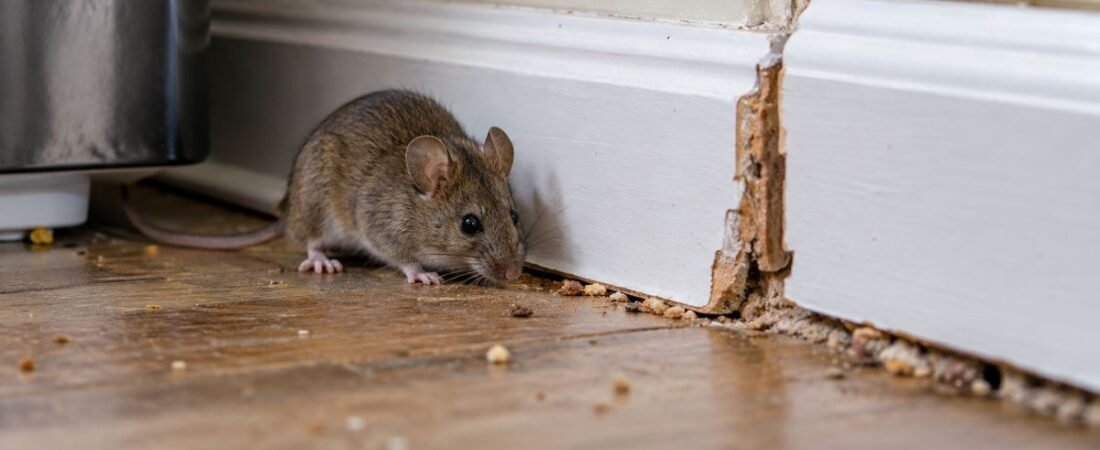
Finding a spider near a window or a single ant on the patio does not automatically require an extermination service. On the other hand, repeated scratching behind a wall, fresh droppings or insects emerging from a bedroom seam can justify a prompt inspection. The difficult part is knowing which details separate an ordinary sighting from an active problem.
Barrie homeowners can make that decision by examining frequency, location, damage and risk rather than judging everything by how unpleasant the pest looks.
Distinguish One Sighting From Repeated Evidence
Write down exactly what appeared and where. A single flying insect near an open window is less concerning than several insects of the same kind appearing each morning in a closed room. Repeated evidence in the same location suggests access, shelter or a nearby source. Check for supporting signs such as droppings, shed skins, gnaw marks, nesting material or a regular ant trail.
Look for patterns over several days if the situation is safe to observe. Photograph the pest and the surrounding area, and avoid using a large amount of insecticide before identification. A spray may kill the visible insect while obscuring where it came from. If the insect might be a bed bug or a wood-damaging ant, obtain reliable identification rather than waiting for damage to become obvious.
Do not handle unknown wildlife or disturb a nest simply to gather proof. Safety takes priority over perfect documentation.
Recognise Conditions That Make a Prompt Visit Worthwhile
Fresh rodent droppings around food, evidence of insects in sleeping furniture or an active wasp entrance beside a busy doorway can justify timely professional attention. So can pests in areas used by vulnerable family members, or activity that continues after a reasonable period of careful prevention. A building with an inaccessible crawlspace may also need a technician because the likely source cannot be inspected safely.
A pest control technician serving Barrie can determine whether the evidence calls for monitoring, targeted exclusion work or an extermination service. Explain what makes the situation urgent instead of asking for the strongest treatment available. Effective treatment depends on the actual pest and the location.
If you suspect serious structural damage, a gas or electrical hazard, or a severe allergic reaction after a sting, seek the appropriate building trade or medical help as well. Pest control is not a replacement for emergency services.
Identify the Signs That Change the Treatment Choice
The evidence should guide the response. Sawdust-like debris beneath damp trim alongside large ants could point toward carpenter ant activity. Tiny dark marks and live insects in mattress seams suggest a different inspection. Fresh mouse droppings after the kitchen has been cleaned indicate ongoing rodent access, while old debris alone may not show current activity.
Health Canada’s pest-control information library provides identification and prevention advice for common household pests. Use it to narrow possibilities without treating a web photo as a final diagnosis. Similar-looking insects can behave differently, and that distinction affects both control and whether a product is appropriate.
Bring photographs and a simple timeline to the visit. A useful pest control technician will ask when and where the problem appears, not just how many insects you saw on the worst day.
Make an Inspection Appointment More Productive
Before the appointment, note accessible places where signs were found and leave those areas available for examination. You may need to move a few boxes or clear the front of a cupboard, but do not dismantle cabinetry without direction. Preserve representative evidence in a sealed container if it can be collected safely. Avoid moving suspicious bed bug items through the house.
Ask what the technician expects to inspect and whether the service includes identification only, an immediate treatment or a written recommendation. If several pests are reported, clarify which ones are covered by the estimate. An extermination service should be based on confirmed findings rather than a general promise to treat the entire property.
You can also ask what you can do before treatment: stop a leak, secure food, report a damaged door seal or create safe access to a crawlspace. These tasks may be more useful than purchasing several consumer sprays.
Judge the Recommendation by Its Evidence
At the end of an inspection, you should understand three things: which pest is likely present, why the technician believes it is active and what needs to change. The plan may include monitoring before treatment, especially if evidence is uncertain. It may also involve repairing an entry point, controlling a colony or arranging follow-up checks.
Ask how success will be measured. Fewer insects at a bait station, no new droppings in a cleaned cabinet and a repaired route are different outcomes that should not be confused. A company should explain expected timelines and why another visit may be needed.
Ontario’s pesticide licensing information helps homeowners understand the rules around commercial applications. Call a professional when the evidence or risk justifies one, but expect a reasoned diagnosis and a site-specific plan—not treatment merely because an insect was seen.