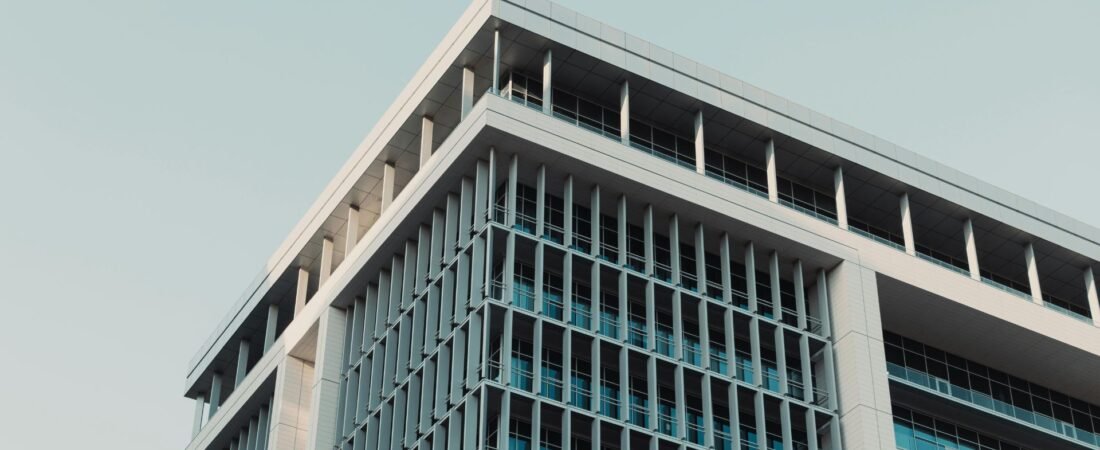
Residential complexes require organized maintenance services to support safe living conditions, efficient infrastructure performance, and long-term property value. Apartment buildings, gated communities, multi-unit housing developments, and residential towers all depend on regular maintenance to manage building systems, shared facilities, and structural components. Quality maintenance services help reduce repair costs, improve resident satisfaction, and maintain operational efficiency across residential properties.
Modern residential complexes contain HVAC systems, plumbing infrastructure, electrical networks, elevators, security systems, parking facilities, and recreational areas that require continuous maintenance. Many maintenance providers also use Industrial infrastructure services in Western Australia to support large residential developments with advanced infrastructure management and technical maintenance solutions.
Importance of Residential Building Maintenance
Residential buildings experience constant daily use from residents, visitors, maintenance staff, and service providers. Common areas such as elevators, hallways, parking garages, stairwells, and recreational spaces require regular upkeep to maintain safety and cleanliness.
Maintenance programs help prevent equipment failures and improve the lifespan of building systems. Property owners and facility managers use scheduled inspections to identify problems before they cause major disruptions or costly repairs.
Well-maintained residential complexes often experience improved resident retention and reduced operational risks. Maintenance also supports compliance with Australian building safety standards and environmental regulations.
Industrial infrastructure services in Western Australia frequently support large residential communities with technical maintenance services, infrastructure inspections, and operational facility support.
Preventive Maintenance for Residential Complexes
Preventive maintenance focuses on routine servicing and inspections designed to reduce unexpected system failures. Maintenance teams inspect HVAC systems, plumbing networks, electrical systems, roofing structures, elevators, and fire protection equipment according to scheduled service plans.
Preventive maintenance programs may reduce emergency repair costs and improve equipment reliability. Studies in property management show that routine servicing can significantly extend the lifespan of building infrastructure and mechanical systems.
Residential complexes often operate continuously throughout the year. Regular maintenance helps reduce disruptions that may affect residents and property operations.
Industrial infrastructure services in Western Australia also support preventive maintenance planning for large-scale residential developments connected to mixed-use and commercial infrastructure projects.
HVAC System Maintenance
Heating, ventilation, and air conditioning systems are essential for maintaining indoor comfort and healthy air quality in residential complexes. HVAC systems regulate temperature, humidity, and ventilation throughout apartment units and shared spaces.
Maintenance services include air filter replacement, duct inspections, airflow testing, refrigerant monitoring, and equipment servicing. Clean HVAC systems help improve energy efficiency and reduce indoor air pollutants.
Poor HVAC maintenance may increase energy costs and reduce system performance. Routine inspections help maintain stable indoor environments and support resident comfort.
Large residential complexes may also use centralized cooling and ventilation systems that require specialized technical maintenance.
Electrical Maintenance and Safety
Residential complexes depend on electrical systems for lighting, elevators, security systems, communication networks, and household power distribution. Electrical maintenance helps reduce safety risks and supports uninterrupted building operations.
Maintenance services include switchboard inspections, circuit testing, emergency lighting checks, cable inspections, and backup power system testing. Electrical inspections help identify overloaded circuits, damaged wiring, and faulty components before failures occur.
Modern residential buildings often contain advanced security systems, smart technology, and automated lighting systems that require reliable electrical infrastructure.
Industrial infrastructure services in Western Australia may also support electrical maintenance for large mixed-use developments and residential infrastructure projects.
Plumbing and Water Infrastructure Maintenance
Reliable plumbing systems are essential in residential complexes for water supply, sanitation, drainage, and fire protection systems. Plumbing maintenance helps prevent water leaks, pipe damage, and service interruptions.
Routine maintenance services include pipe inspections, leak detection, drain cleaning, valve servicing, and water pressure monitoring. Maintenance providers may also inspect hot water systems and water-efficient fixtures to improve operational efficiency.
Water conservation is becoming increasingly important in modern residential developments. Smart water monitoring systems help detect leaks early and reduce water waste across large properties.
Regular plumbing inspections protect building structures from water damage and support safe living conditions for residents.
Structural Maintenance and Property Protection
Residential complexes require structural maintenance to protect long-term property value and building safety. Structural components may deteriorate over time due to weather exposure, moisture, temperature changes, and daily usage.
Maintenance services may include roof inspections, concrete repairs, exterior painting, flooring maintenance, wall repairs, corrosion treatment, and balcony inspections. Buildings located in coastal regions may require additional corrosion protection due to salt exposure and humidity.
Routine structural inspections help identify damage early and reduce long-term repair costs. Proper maintenance also improves the appearance and durability of residential properties.
Industrial infrastructure services in Western Australia often support infrastructure maintenance for large residential communities and urban development projects.
Cleaning and Facility Support Services
Clean and organized residential environments improve resident comfort and support healthy living conditions. Building maintenance programs often include cleaning services for common areas, hallways, elevators, parking garages, recreational spaces, and waste collection areas.
Cleaning services may include floor maintenance, window cleaning, pressure washing, sanitation services, and waste management. High-traffic residential buildings typically require regular cleaning schedules to maintain hygiene and safety standards.
Facility support services may also include landscaping, lighting maintenance, pest control, swimming pool maintenance, and security management.
Integrated maintenance services improve operational coordination and simplify property management processes.
Technology in Modern Residential Maintenance
Modern residential maintenance increasingly relies on digital technology and automated systems. Building Management Systems help facility managers monitor lighting, HVAC systems, water usage, security systems, and energy consumption from centralized platforms.
Predictive maintenance systems use sensors and real-time monitoring to detect equipment issues before failures occur. These systems help reduce downtime and improve maintenance efficiency.
Digital maintenance reporting also improves communication between property managers, maintenance teams, and residents. Smart technology supports faster service response times and better infrastructure management.
Industrial infrastructure services in Western Australia continue to adopt digital maintenance systems to support large residential and mixed-use infrastructure projects.
Benefits of Professional Building Maintenance Services
Professional maintenance services help residential complexes maintain operational efficiency, infrastructure reliability, and safe living environments. Organized maintenance programs improve equipment performance and reduce emergency repair expenses.
Well-maintained residential properties often experience higher resident satisfaction and better long-term asset protection. Maintenance planning also supports energy efficiency and environmental performance.
Professional maintenance providers offer technical expertise, preventive servicing, emergency repair support, and facility management services that improve overall property operations.
Choosing the Right Residential Maintenance Provider
Residential property owners and managers should select maintenance providers with experience managing apartment complexes and multi-unit residential facilities. Qualified providers should offer preventive maintenance planning, emergency support services, and technical maintenance expertise.
Important factors include response times, industry certifications, maintenance scheduling capability, and experience with large residential infrastructure systems.
Reliable maintenance partnerships help residential complexes maintain efficient operations and protect long-term property value.
FAQ
What is residential building maintenance?
Residential building maintenance includes servicing, repairs, inspections, and management of building systems such as HVAC, plumbing, electrical infrastructure, elevators, and shared facility areas.
Why is preventive maintenance important for residential complexes?
Preventive maintenance helps reduce equipment failure, lower repair costs, improve safety, and maintain comfortable living environments for residents.
What services are included in residential maintenance programs?
Residential maintenance programs may include HVAC servicing, plumbing repairs, electrical inspections, cleaning services, landscaping, structural repairs, and security system maintenance.
Which industries use Industrial infrastructure services in Western Australia?
Commercial property, residential development, mining, logistics, manufacturing, and mixed-use infrastructure sectors commonly use Industrial infrastructure services in Western Australia.
How does technology improve residential maintenance?
Technology improves maintenance through predictive monitoring, automated reporting systems, energy management platforms, and digital facility management systems.
Conclusion
Quality building maintenance services are essential for maintaining safe, efficient, and reliable residential complexes. Organized maintenance programs support infrastructure performance, resident comfort, operational efficiency, and long-term property value. Preventive maintenance also helps reduce repair costs and minimize operational disruptions across residential properties.
Industrial infrastructure services in Western Australia continue to support residential developments with advanced maintenance expertise, infrastructure management solutions, and technical operational support. Professional maintenance planning helps residential complexes maintain stable operations and protect valuable infrastructure assets over the long term.